
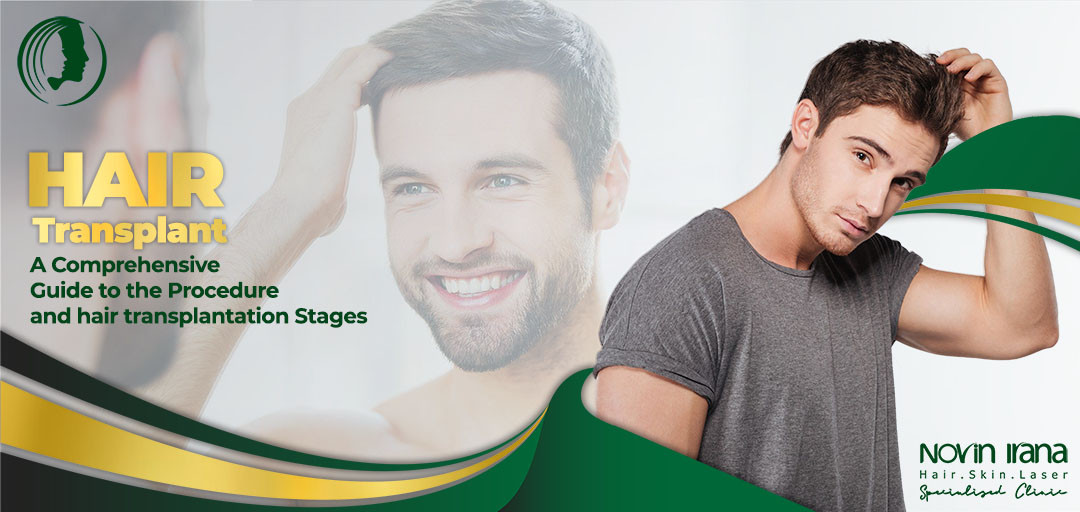

Hair transplantation is a surgical procedure aimed at addressing hair loss and restoring natural hair growth in individuals experiencing hair thinning or baldness. This article provides a detailed overview of hair transplantation, including the various stages involved in the procedure. It explores preoperative assessment, donor area harvesting, recipient area preparation, graft transplantation, postoperative care, and commonly used techniques such as follicular unit transplantation (FUT) and follicular unit extraction (FUE). Understanding the stages and techniques involved in hair transplantation can help individuals make informed decisions and set realistic expectations regarding the procedure's outcomes.
Hair loss can significantly impact an individual's self-esteem and quality of life. Hair transplantation offers an effective solution for those seeking to restore their hair and regain confidence. This article aims to provide an in-depth understanding of the hair transplantation procedure and the various stages involved.
Preoperative Assessment
Before undergoing hair transplantation, a thorough evaluation is conducted to assess the individual's suitability for the procedure. This includes evaluating the extent and pattern of hair loss, assessing the availability of donor hair, and considering the individual's overall health. The preoperative assessment also involves discussing the patient's expectations, goals, and any potential limitations.
Donor Area Harvesting
The donor area, typically located at the back or sides of the scalp, serves as the source of healthy hair follicles for transplantation. This section explores the techniques used for donor hair extraction, including the strip harvesting method in follicular unit transplantation (FUT) and the individual follicle extraction in follicular unit extraction (FUE). The advantages and disadvantages of each method are discussed, as well as the criteria for selecting the appropriate technique based on the patient's specific needs.
Recipient Area Preparation
Preparing the recipient area is a crucial step in achieving successful hair transplantation. This section discusses the importance of creating well-designed recipient sites, taking into consideration factors such as hairline design, natural hair growth patterns, and overall aesthetic goals. Techniques for precise incision creation and proper site preparation are highlighted.
Graft Transplantation
The harvested hair follicles, or grafts, are carefully transplanted into the recipient sites. This section delves into the different types of grafts, such as single follicular units, double follicular units, and multiple follicular units, and their strategic placement to achieve a natural-looking hairline and overall hair density.
Postoperative Care
Proper postoperative care is crucial for the success of the hair transplantation procedure. This section highlights the importance of following postoperative instructions, including wound care, medication usage, and restrictions on physical activities. It addresses common postoperative concerns such as swelling, itching, and scab formation, providing tips for managing these issues. Additionally, guidance on long-term care and maintenance is provided to ensure the longevity of the transplanted hair.
Conclusion
In conclusion, hair transplantation is a comprehensive procedure that involves several stages aimed at addressing hair loss and restoring natural hair growth. It begins with a thorough preoperative assessment to determine the individual's suitability for the procedure and establish realistic expectations. The donor area harvesting stage involves extracting healthy hair follicles from the donor site, employing techniques such as strip harvesting or follicular unit extraction. The recipient area preparation focuses on creating well-designed recipient sites that consider the patient's hairline, natural hair growth patterns, and aesthetic goals. Graft transplantation involves carefully transplanting the harvested hair follicles into the recipient sites, strategically placing them to achieve a natural-looking hairline and overall density. Proper postoperative care, including wound care, medication usage, and adherence to restrictions, is crucial for successful outcomes. Long-term care and maintenance guidelines are also provided to ensure the longevity of the transplanted hair. By understanding the various stages involved in hair transplantation, individuals can make informed decisions and have realistic expectations regarding the procedure's results.




Comments