
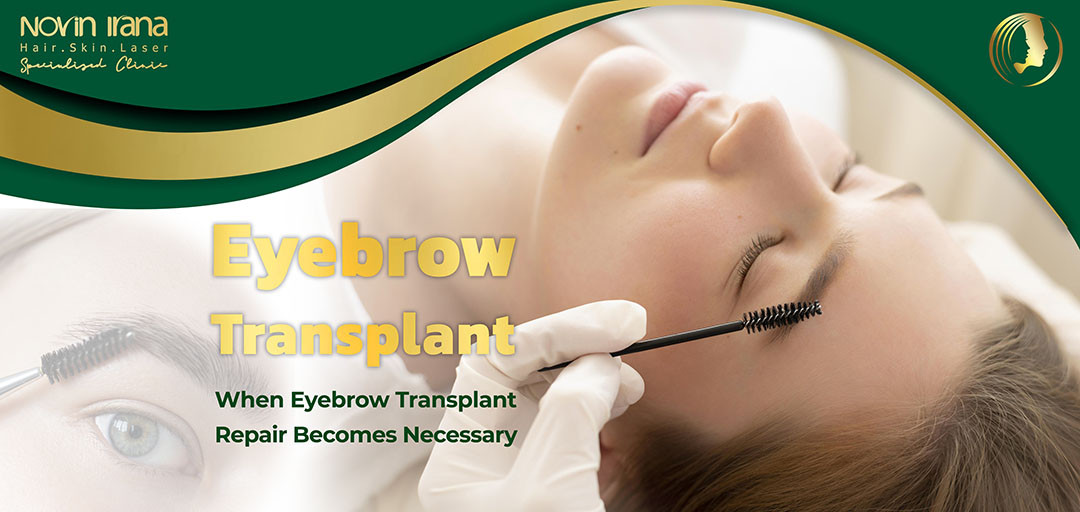

Eyebrow transplantation is a cosmetic procedure that can work wonders for individuals looking to enhance their facial appearance. While this procedure generally produces excellent results, there are instances where eyebrow transplant repair becomes a crucial consideration. In this article, we will explore the circumstances under which individuals may seek eyebrow transplant repair and the steps involved in addressing these concerns
Graft Misalignment
One common reason for eyebrow transplant repair is graft misalignment. This occurs when the transplanted hair follicles do not align properly with the natural growth direction of the existing eyebrows. This misalignment can result in an unnatural appearance, prompting individuals to seek corrective procedures to improve the symmetry and overall aesthetic.
Uneven Density
Uneven hair density within the transplanted eyebrows is another issue that may lead to repair. In some cases, patients may experience variations in hair growth density, resulting in areas that appear either overly dense or sparse. Repair procedures can effectively redistribute grafts to create a more balanced and natural appearance.
Scarring
The formation of scars is a potential concern following eyebrow transplantation, especially if the surgical technique is not executed optimally or if healing does not progress as expected. Unsightly scars can be distressing, driving individuals to seek repair procedures that often involve scar revision techniques to minimize their visibility and improve overall aesthetics.
Unnatural Shape
Poorly designed or unnatural-looking eyebrow shapes can be significant concerns, prompting individuals to consider eyebrow transplant repair. Correcting an unnatural eyebrow shape may involve adjustments to its contour, arch, or thickness to ensure it complements the patient's facial features and results in a more aesthetically pleasing appearance.
Graft Survival Issues
In some cases, not all transplanted grafts may thrive, leading to gaps or areas with thin hair within the eyebrows. Repair procedures typically encompass the addition of new grafts to address these problematic areas, effectively improving overall hair density and achieving a more satisfying outcome.
Incorrect Angle and Depth
Precise graft placement is essential for a successful eyebrow transplant. When grafts are implanted at incorrect angles or depths, they can appear unnatural. Repairing such issues may require the meticulous removal and re-implantation of grafts to ensure they adhere to the correct orientation for a more natural appearance.
Previous Scarring from Other Procedures
Patients who have undergone multiple eyebrow transplant surgeries or other facial procedures may accumulate scarring that necessitates repair. Advanced techniques, including Follicular Unit Extraction (FUE), can be employed to minimize the impact of previous scarring, resulting in a more natural and desirable outcome.
Conclusion
In conclusion, eyebrow transplant repair becomes necessary in various scenarios, including graft misalignment, uneven density, scarring, unnatural eyebrow shapes, graft survival issues, incorrect angle and depth, and the presence of previous scarring. These issues can significantly impact the final outcome of the procedure and the patient's overall satisfaction.
Fortunately, advancements in eyebrow transplant techniques and the expertise of skilled surgeons make it possible to address and correct these issues, ultimately achieving a more natural and aesthetically pleasing result. Patients considering eyebrow transplantation should carefully select their surgeon and be aware of the potential need for repair in certain cases. With proper care and attention, eyebrow transplant repair can lead to the enhancement of facial beauty and increased self-confidence.



Comments