
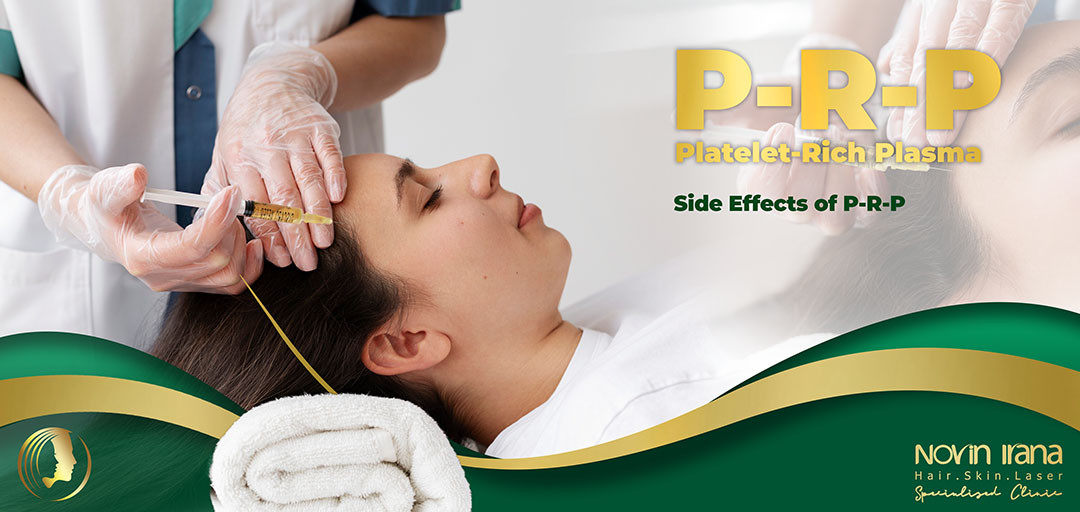

The Potential Side Effects of Platelet-Rich Plasma (PRP) Therapy
Platelet-Rich Plasma therapy or (PRP) became popular in recent years for its potential in promoting tissue healing and regeneration. This minimally invasive procedure involves injecting a concentrated form of the patient's own platelets into the injured area. While PRP therapy is generally considered safe, there are a number of potential side effects and considerations that patients should pay attention to.
Pain and Discomfort
Following a PRP injection, some patients may experience temporary pain or discomfort at the injection site. This is typically mild and short-lived, lasting for a few days. Over-the-counter pain relievers can help manage this discomfort.
Swelling and Bruising
Swelling and bruising are common side effects of PRP therapy, particularly when the treatment is administered in areas with delicate skin or high vascularity. Swelling usually subsides within a few days, while bruising may take a bit longer to resolve.
Infection
As with any medical procedure that involves injections, there is a slight risk of infection at the injection site. Healthcare providers take precautions to maintain sterile conditions during PRP therapy to minimize this risk.
Allergic Reactions
Since PRP is derived from the patient's own blood, allergic reactions are rare. However, in extremely rare cases, a patient may experience an allergic response to the components of their own PRP. This is why taking a thorough medical history is important.
Nerve or Blood Vessel Damage: In very rare instances, PRP injections may inadvertently damage nearby nerves or blood vessels. This risk is minimized when the procedure is performed by a skilled and experienced healthcare provider who uses proper techniques and imaging guidance.
No Improvement: While PRP therapy has shown promise in various medical fields, it's important to note that not all patients respond positively to the treatment. Some individuals may experience little to no improvement in their condition.
Costs
PRP therapy is not always covered by insurance, and the cost can vary depending on the location and the specific condition being treated. Patients should consider the financial aspect when opting for this treatment.
Conclusion
In conclusion, Platelet-Rich Plasma therapy offers several potential benefits for tissue healing and regeneration. However, like any medical procedure, it comes with some possible side effects and considerations. Individuals should discuss these factors with their healthcare provider to make an informed decision about whether PRP therapy is the right option for their specific condition. Always consult with a qualified medical professional for personalized advice and guidance regarding PRP therapy







Comments