
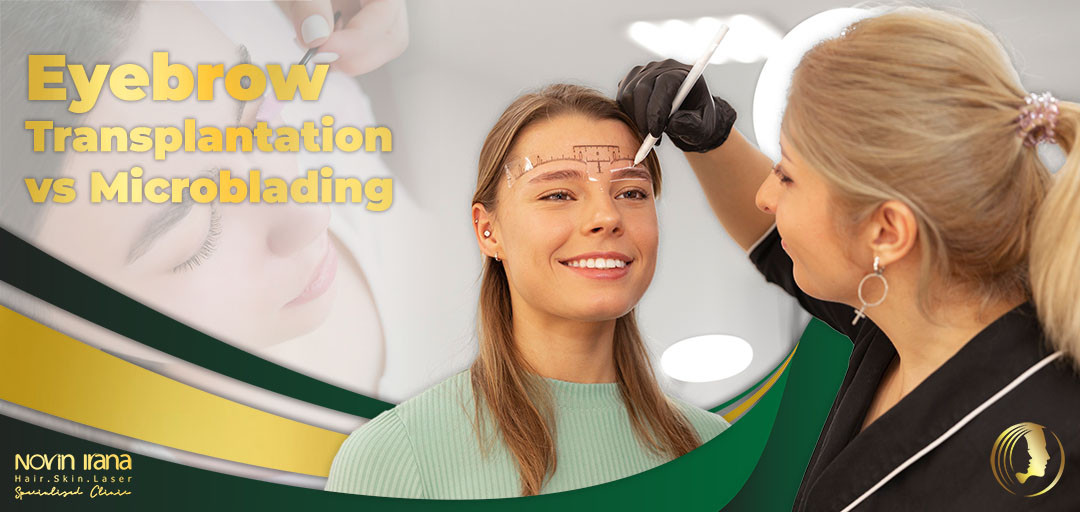

Eyebrows are a defining feature of the face, and many individuals seek ways to enhance their appearance. Two popular methods for achieving fuller, more defined eyebrows are eyebrow transplantation and microblading. While both techniques aim to enhance eyebrow aesthetics, they differ significantly in their approach and results. In this article, we will explore the differences between eyebrow transplantation and microblading, as well as the advantages of eyebrow transplantation.
Eyebrow Transplantation: A Permanent Solution
Eyebrow transplantation is a surgical procedure that involves the extraction of hair follicles from a donor site, typically the back of the scalp, and their transplantation into the eyebrow area. This procedure is performed under local anesthesia, and it offers several advantages over microblading:
Natural Results: Eyebrow transplantation provides the most natural-looking results. Hair follicles are transplanted one by one, mimicking the natural direction and angle of eyebrow growth. This results in eyebrows that look and feel entirely authentic.
Permanent Solution: Eyebrow transplantation is a permanent solution. Once the transplanted hair follicles take root, they continue to grow for a lifetime, eliminating the need for regular touch-ups.
Customization: With eyebrow transplantation, you have complete control over the shape and density of your eyebrows. Surgeons can work with patients to achieve their desired eyebrow aesthetics.
Suitable for Various Cases: Eyebrow transplantation is suitable for individuals with various eyebrow-related concerns, including thinning eyebrows, sparse eyebrows, or even complete eyebrow loss due to medical conditions.
Microblading: A Temporary Enhancement
Microblading, on the other hand, is a non-surgical, semi-permanent technique that involves the use of a fine blade to create tiny, hair-like incisions in the skin's surface. Pigment is then applied to these incisions to mimic the appearance of eyebrow hair. While microblading has gained popularity, it has some differences and limitations when compared to eyebrow transplantation:
Temporary Results: Microblading offers temporary results that typically last from one to two years. Touch-ups are required regularly to maintain the desired look.
Sensitivity: Some individuals may experience discomfort or sensitivity during and after the microblading procedure due to the use of the blade.
Less Natural Appearance: While microblading can provide a fuller look, the results may not be as natural-looking as eyebrow transplantation since it doesn't involve real hair follicles.
Limited to Certain Cases: Microblading is most suitable for individuals with mild to moderate eyebrow issues and may not be effective for those with significant eyebrow loss.
Conclusion: Choosing the Right Option
When deciding between eyebrow transplantation and microblading, it's essential to consider your specific needs and preferences. Eyebrow transplantation offers permanent, natural results and is a more suitable option for individuals with severe eyebrow concerns. Microblading, while less permanent, can provide a quick enhancement for those with milder issues.
Ultimately, the choice between these two techniques should be made after consulting with a qualified cosmetic surgeon or microblading specialist. They can assess your individual case and help you decide which method aligns best with your goals for achieving beautiful, well-defined eyebrows.







Comments