
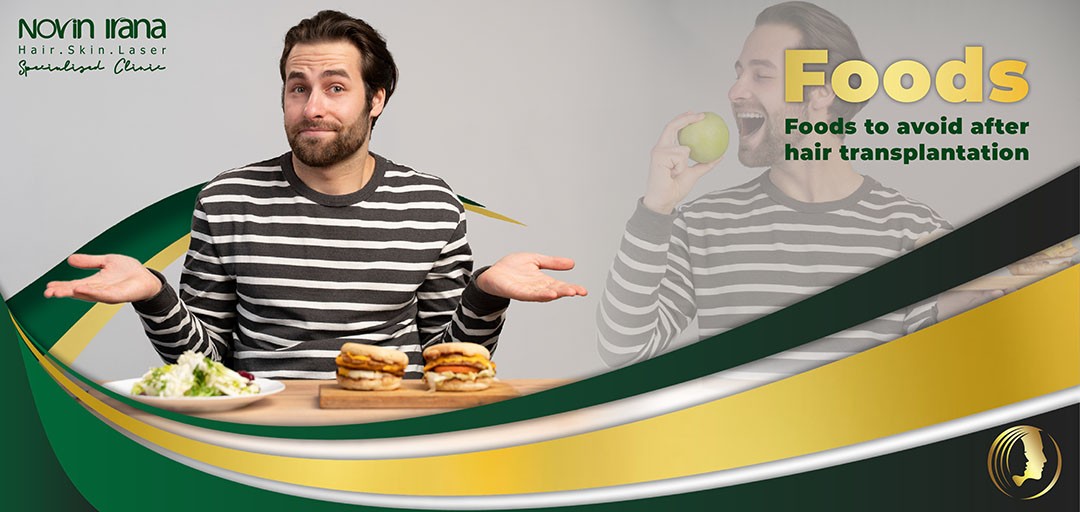

Foods to avoid after hair transplantation
Hair transplantation is a common cosmetic procedure that many individuals undergo to regain their natural hairline. However, the success of the procedure also depends on post-operative care. One aspect of this care involves the foods you consume. After hair transplantation, it's essential to be mindful of your diet to promote healing and the growth of new hair follicles. In this article, we will explore in greater detail the foods you should avoid after a hair transplant to ensure the best possible results.
Spicy Foods
Spicy foods can increase blood flow and body temperature, potentially leading to increased swelling and discomfort at the transplant site. Capsaicin, the compound responsible for the spiciness in peppers, can irritate the surgical area and lead to a slower healing process. It's best to avoid foods containing hot peppers, garlic, and excessive spices for the first few weeks after the procedure.
Salty Foods
High-sodium foods can lead to water retention, causing swelling in the treated area. This can interfere with the healing process and potentially harm the transplanted grafts. It's important to avoid processed and salty snacks like chips and canned soups. Opt for low-sodium alternatives to support a smooth recovery.
Alcohol
Alcohol can dilate blood vessels and thin the blood, increasing the risk of bleeding and swelling after hair transplantation. To ensure the best results, it's advisable to abstain from alcohol for at least a week before and after the procedure. This precaution is crucial for the safety of the patient and the success of the transplant.
Caffeine
Caffeine, found in coffee and certain teas, can have similar effects as alcohol, leading to increased blood pressure and potential bleeding. While you don't need to completely eliminate caffeine from your diet, it's wise to limit your intake for a few days after the transplant. Opt for decaffeinated beverages and herbal teas to promote a speedy recovery.
Sugary and Carbonated Beverages
High-sugar and carbonated drinks can hinder the healing process by increasing inflammation. Opt for water and natural fruit juices instead, as they promote hydration and provide essential vitamins for recovery. These alternatives will aid in reducing inflammation and support the body's natural healing processes.
Foods High in Vitamin E
Vitamin E is known for its blood-thinning properties, which can lead to bleeding and affect graft survival. Avoid vitamin E supplements and foods rich in this vitamin, such as almonds and sunflower seeds. While vitamin E is essential for overall health, it's best to limit your intake during the initial recovery period to ensure optimal graft survival and healing.
Citrus Fruits
Citrus fruits, like oranges and lemons, are acidic and can irritate the surgical sites. These fruits can slow down the healing process, so it's best to avoid them during the initial recovery period. Opt for fruits like apples and berries, which are less acidic and gentler on the healing scalp.
Fast Food and Processed Junk
Fast food is often high in salt, sugar, and unhealthy fats, making it detrimental to your overall health and, specifically, to your recovery. These foods can contribute to inflammation and slow down the healing process. Choose whole, nutrient-rich foods such as lean proteins, vegetables, and whole grains to support your recovery and overall well-being.
Processed Meats
Processed meats like bacon, sausages, and hot dogs are high in sodium and unhealthy fats. Consuming these meats can lead to inflammation and slow down the healing process. It's crucial to steer clear of such processed meats and opt for lean protein sources, such as grilled chicken or fish.
Dairy Products
Dairy products, particularly full-fat milk and cheese, can lead to increased inflammation due to their saturated fat content. Excessive dairy consumption might slow down the body's natural healing processes. Consider switching to low-fat or dairy alternatives during the initial recovery phase to support your overall health and graft survival.
High-Sugar Snacks
Snacking on candies, pastries, and other high-sugar treats can cause blood sugar spikes, which may negatively affect your healing process. These sugary snacks can lead to inflammation and potentially hinder graft survival. Instead, choose healthier snacks like nuts, fruits, and yogurt.





Comments