
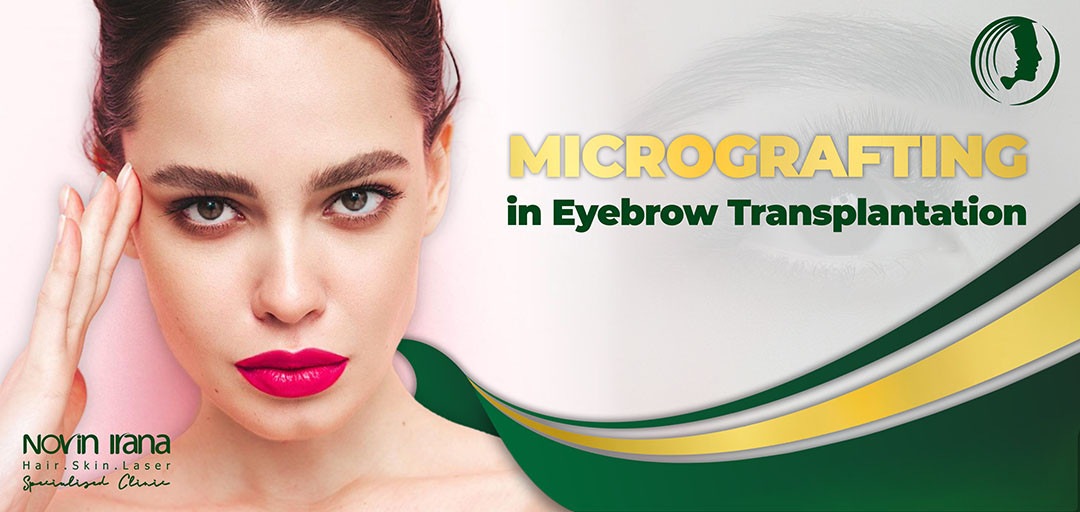

Eyebrows play a vital role in framing the face and enhancing one's facial features. However, not everyone blessed with naturally thick or well-shaped eyebrows. Fortunately, advances in the field of cosmetic surgery have made it possible to achieve fuller and more defined eyebrows through procedures like eyebrow transplantation. One such innovative technique within this domain is micrografting, which has gained popularity for its ability to create natural and aesthetically pleasing results.
Understanding Micrografting
Micrografting is a refined and meticulous approach to eyebrow transplantation. It involves the transplantation of tiny hair grafts, or micrografts, into the eyebrow area to restore or enhance eyebrow density. These micrografts are typically harvested from a donor area on the patient's body, often from the scalp, where the hair closely matches the texture and growth pattern of eyebrow hair. The use of micrografts allows for precision in recreating the appearance of natural eyebrows.
The Micrografting Procedure
Consultation
The process begins with a thorough consultation between the patient and the surgeon or specialist. During this consultation, the patient's goals and expectations are discussed, and the feasibility of micrografting for their specific case is assessed.
Anesthesia
Local anesthesia is administered to ensure that the patient remains comfortable and pain-free throughout the procedure. This local anesthesia is usually applied to both the donor area and the eyebrow region.
Donor Hair Extraction
Micrografts are carefully extracted from the donor area, which is chosen for its compatibility with eyebrow hair. Scalp hair is often the preferred donor source due to its texture and growth characteristics. These micrografts are typically smaller than traditional hair grafts, making them ideal for the delicate eyebrow area.
Micrograft Placement
The surgeon or specialist then meticulously places the harvested micrografts into tiny incisions made in the eyebrow region. The placement process is highly precise, as it determines the final shape and density of the eyebrows.
Customization
The surgeon customizes the design of the eyebrows to match the patient's desired look and facial features. The angle and direction of each micrograft are carefully considered to ensure a natural appearance.
Healing and Follow-Up
After the micrografting procedure, there is a healing period during which the transplanted hair grafts settle and start to grow. Patients may require multiple follow-up appointments to assess progress and make any necessary adjustments.
Benefits of Micrografting in Eyebrow Transplantation
Natural Appearance
Micrografting offers the advantage of creating eyebrows that closely resemble natural ones. The fine, individual hairs blend seamlessly with the existing eyebrow hair, resulting in a subtle and authentic look.
Precision and Control
This technique allows for precise control over the placement and direction of each micrograft. The surgeon can artistically shape the eyebrows to match the patient's preferences and facial structure.
Minimal Scarring
Because micrografts are tiny and carefully placed, the procedure leaves minimal scarring in both the donor and recipient areas. This ensures a discreet and aesthetically pleasing outcome.
Short Recovery Time
Patients typically experience a shorter recovery time compared to other transplantation methods. They can resume their daily activities with minimal downtime.
Conclusion
Micrografting has revolutionized the field of eyebrow transplantation by offering a minimally invasive and highly precise method for achieving natural and beautiful eyebrows. This technique provides individuals with a customized solution to address eyebrow thinning or hair loss, boosting their confidence and enhancing their overall appearance. If you're considering eyebrow transplantation, consult with a qualified specialist to explore the possibilities of micrografting and unlock the potential for stunning, natural-looking eyebrows.






Comments