
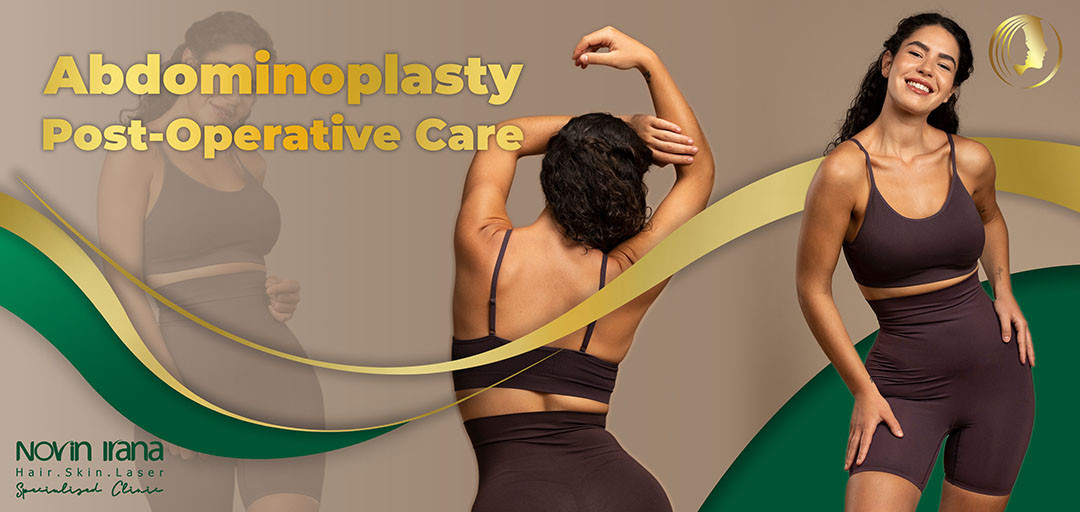

Post-Operative Care Following Abdominoplasty:
A Comprehensive Guide Introduction: Abdominoplasty, commonly known as a tummy tuck, is a surgical procedure that helps individuals achieve a firmer and flatter abdomen. However, the success of the procedure depends significantly on the post-operative care taken by the patient. This article will provide a comprehensive guide to post-operative care after abdominoplasty, emphasizing the essential steps and considerations for a smooth recovery.
Section 1
Immediate Post-Operative Care (Days 1-7) Abdominoplasty is a significant surgical procedure, and proper care in the immediate post-operative period is crucial for a successful recovery.
Surgical Site Care
The surgical incision site is the most critical area to care for in the initial days. It's essential to keep the incision clean and dry. Following your surgeon's instructions regarding dressings and bandages is paramount. Usually, patients are advised to change dressings regularly and keep the area sterile.
Pain Management
It's normal to experience discomfort after surgery. Take the prescribed pain medication as directed by your surgeon. Avoid over-the-counter pain relievers unless approved by your surgeon, as they might interact with your prescribed medications.
Activity and Rest
During the first week, limit physical activities, and avoid heavy lifting. Your body needs time to heal, so make sure to get plenty of rest. Excessive strain on the abdominal area can lead to complications.
Diet
Following a recommended diet plan can significantly aid healing and minimize swelling. Your surgeon or nutritionist may provide guidelines on the type of foods to consume during this period. Proper nutrition can enhance the recovery process.
Section 2
Weeks 2-6 As the initial post-operative phase progresses, specific care measures remain essential for weeks 2 to 6.
Wound Care
Continue to care for the incision site. Monitor it closely for any signs of infection, which may include redness, increased swelling, or discharge. It's essential to keep the area clean and dry to prevent complications.
Compression Garments
Surgeons often recommend wearing compression garments to reduce swelling and support the healing process. These garments apply gentle pressure to the abdominal area, helping it conform to the new shape.
Gradual Resumption of Activities
Between weeks 2 and 6, it's advisable to slowly reintroduce light activities like walking. Strenuous exercises should be avoided during this phase, as they can strain the healing tissues.
Scar Management
The appearance of the surgical scar is a concern for many patients. Follow your surgeon's advice on scar care products and techniques. Protect the incision site from direct sunlight, as UV radiation can cause darkening of the scar.
Section 3
Months 2-6 Recovery continues into the second to the sixth month after surgery, and certain aspects require attention.
Exercise
Around this time, you can begin a structured exercise routine, but only as approved by your surgeon. Focus on core-strengthening exercises to regain abdominal muscle strength and tone.
Nutrition
Maintaining a balanced diet is essential to support recovery and maintain the results of the surgery. Proper nutrition ensures that your body receives the necessary nutrients for tissue healing.
Follow-Up Appointments
Attending follow-up visits with your surgeon is crucial during this period. These appointments help your surgeon monitor your progress and address any concerns or complications promptly.
Conclusion
Post-operative care is vital to the success of abdominoplasty. By following the guidelines provided in this article, you can ensure a smoother recovery process and achieve the best possible results. Always consult with your surgeon for personalized recommendations, as individual experiences may vary. Proper care, patience, and adherence to your surgeon's advice can lead to a successful and satisfying outcome from your abdominoplasty procedure.




Comments