

Although hair transplantation is an attractive procedure for many people, the truth is that there is no 100% guarantee of success in every case. People talk enough about successful hair transplantation, but sometimes an unsuccessful procedure occurs. In this article, we will discuss the reasons that can lead to hair transplant failure and the essential factors for ensuring the success of the procedure.
How Likely Is Hair Transplantation to Fail?
According to a study conducted by the International Society of Hair Restoration Surgery (ISHRS), the probability of failure in hair transplantation is approximately 43%. This study was conducted by analyzing failure based on patient satisfaction and whether patients had achieved their expectations from the procedure. In fact, true hair transplant failure occurs when the transplanted hairs do not grow.
Signs of a Successful Hair Transplant
Natural Hair Growth
After a hair transplant, the transplanted hairs usually shed at first. This shedding is actually normal and is known as “shock loss.” The hairs that begin to grow after the procedure come from the new and healthy follicles that have been transplanted.
Growth timeline: These hairs usually begin to grow after approximately 3 to 6 months and will experience more growth during the first year. This process may vary from person to person, but generally, you should see gradual and natural hair growth.
No Hair Loss
Although hair shedding at first is completely normal and is part of the healing process, new hairs should begin to grow afterward, and overall, shedding of the transplanted hairs should stop. If your hair continues to shed excessively and abnormally, this may be a sign of a problem with the transplant or the healing process.
When should you be concerned? If you still experience significant hair loss 6 months to one year after the procedure, it is better to consult your doctor. Various factors, including infection, unsuccessful transplantation, or genetic conditions, may be involved.
Appropriate Hair Density
Hair density refers to the amount of hair growing in a specific area of the scalp. After a hair transplant, the goal is to create natural and even density. Excessive density can result in an unnatural and artificial appearance, so the goal is to achieve naturally dense hair.
How is density evaluated? Your doctor can evaluate the density by examining the transplanted hairs and comparing them with your natural hair. Good density indicates that the hair transplant has been successfully performed and that the hair follicles have been properly placed in the scalp.
No Infection or Inflammation
Any surgical procedure, including hair transplantation, may involve risks such as infection or inflammation. If your scalp does not develop abnormal redness, swelling, or pain after a hair transplant, this indicates that the procedure has been successful.
Post-operative care: To prevent infection and inflammation, you should pay close attention to post-operative care. This care may include taking antibiotics, avoiding excessive touching of the scalp, and maintaining hygiene.
When should you be concerned? If you experience fever, pus-like discharge, or severe redness in the hair transplant area, you should immediately see your doctor.
No Large Scars
One of the common concerns after a hair transplant is the development of scars in the area where the follicles have been implanted. Scars usually remain small and almost unnoticeable after the procedure, but in some cases, larger and visible scars may develop.
Ways to prevent large scars: To prevent large scars, using advanced techniques such as FUT or FUE hair transplantation is important. The FUE method, in which follicles are individually extracted from the donor area, generally leaves fewer scars.
When should you be concerned? If large, red, or swollen scars remain, you should consult a doctor so that the healing process can be evaluated.
Improvement in Quality of Life
One of the most important signs of a successful hair transplant is its positive impact on a person's quality of life. This includes increased self-confidence, reduced concerns about appearance, and improved social relationships. People who achieve successful hair transplant results usually feel more satisfied and happier with their appearance.
Why is it important?
This psychological and social improvement can have a positive effect on a person's overall well-being and may even contribute to better sleep, work, and social interactions.
When should you be concerned?
If you feel dissatisfied after a hair transplant or have difficulty accepting the results, this may indicate unrealistic expectations or an unexpected outcome. In this case, consulting a doctor or psychological counselor can be helpful.
Even and Natural Hair Growth
Hair growth should be even and natural. The transplanted hairs should match your other natural hair rather than growing in a patchy or unnatural manner.
Signs of abnormal growth: If, after several months, the transplanted hairs grow abnormally or in incorrect directions, correction may be necessary. This may be due to improper follicle transplantation or incorrect techniques.
Stages of Successful Hair Growth After Transplantation
The hair growth process after transplantation naturally involves several stages. Being aware of these stages helps you have reasonable and realistic expectations. Below, we explain these stages in detail:
Week One: Beginning of Healing and Relief of Discomfort
During the first week after transplantation, your scalp enters the healing phase. During this stage, the bandages are removed from the transplant area, and you may experience some discomfort or pain, which can usually be controlled with painkillers prescribed by your doctor. This period is a time of rest and initial healing.
End of the First Month to the Second Month: Initial Shedding and Follicle Rest
Between the first and second months after the procedure, the hair follicles enter a stage known as “rest.” This stage may be accompanied by temporary shedding of the transplanted hairs. This shedding is normal and is part of the healing process. At this time, the new hairs have not yet started to grow, and some hairs may temporarily shed.
Month Two to Four: Beginning of New Hair Growth
From the second to the fourth month, new hair growth gradually begins. These hairs may appear thin and sparse and may not look completely uniform. This is the stage when the new hairs are forming and undergoing their initial growth, but they will not yet be fully dense and thick.
Month Six: Hair Growth and Improved Quality
By the sixth month, you will see significant growth in the transplanted hairs. The hairs begin to become thicker and improve in quality. This is usually the stage when the new hairs become stronger in terms of thickness and resistance and develop a more natural appearance. At this time, the donor area should also have completely healed and should show no significant signs of the procedure.
Month Nine to Twelve: Final and Permanent Results
Between the ninth and twelfth months, most of the transplanted hairs will have fully grown and become thicker. At this stage, you can see the final and permanent results of the hair transplant. The hairs have developed a natural and uniform appearance and look similar to your original hair.
This is when you achieve the final result of the hair transplant and can enjoy your new appearance. Hair growth after transplantation is a gradual process that requires patience and proper care to achieve the best possible results.
Post-Operative Care to Increase the Success of Hair Transplantation
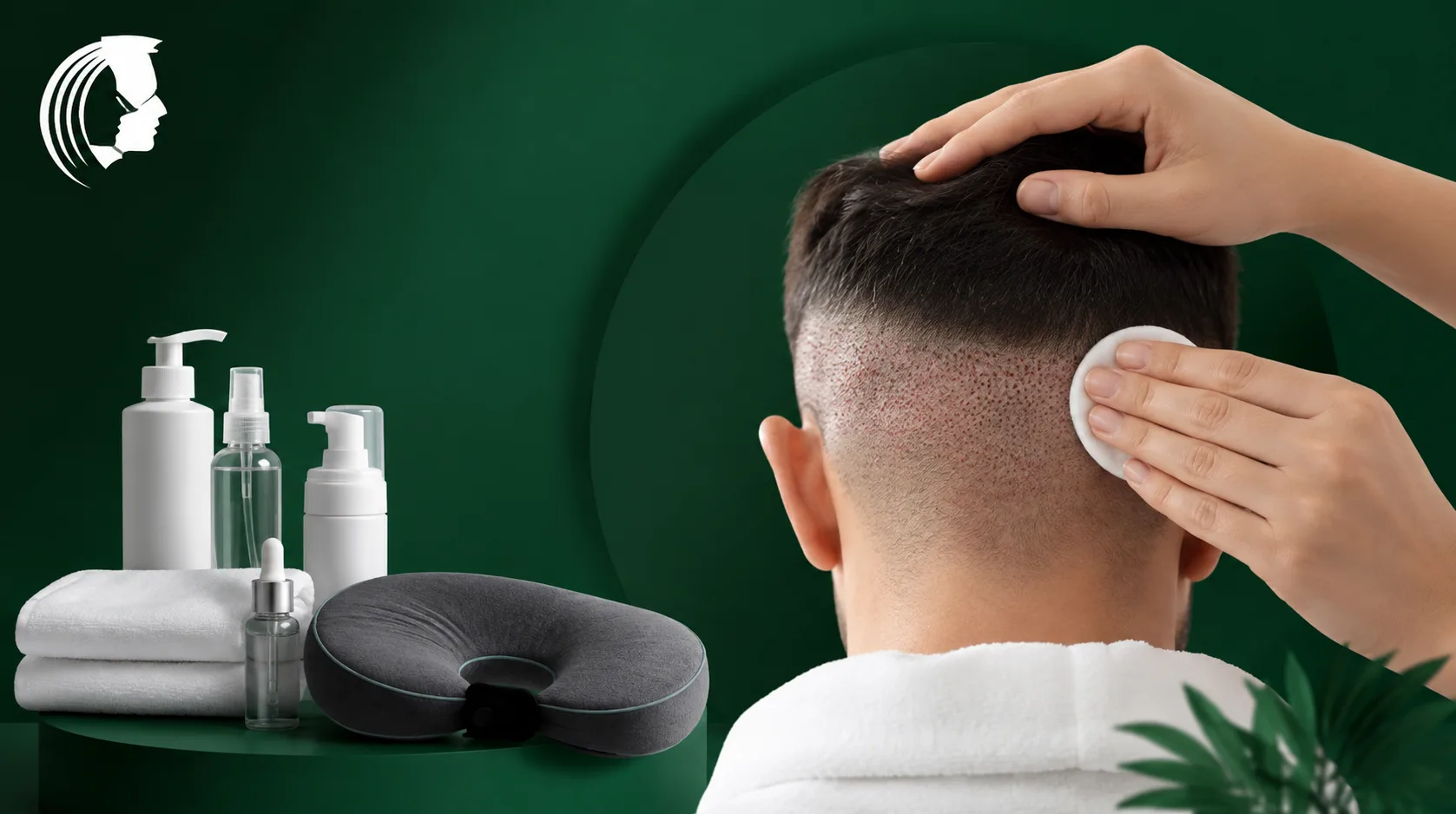
Post-operative care is one of the most important factors in achieving successful hair transplant results. Following medical recommendations and instructions during this period helps promote faster healing and better growth of the transplanted hairs. Here are some of the most important care measures:
1.Rest and Avoid Strenuous Activities
After a hair transplant, it is important to postpone strenuous activities and intensive exercise for at least 7 to 10 days. This gives your body time to heal and prevents additional pressure on the transplant area. Intense activities can increase blood flow and create pressure in the transplant area, which may negatively affect the healing process and hair growth.
2.Avoid Touching or Scratching the Scalp
One of the most important points after a hair transplant is avoiding touching the transplant area. Never scratch your scalp and avoid putting any pressure on or causing damage to the follicles. Touching and scratching the scalp can lead to infection or damage to the hair follicles and may cause larger scars or even increased hair loss.
3.Maintain Hygiene and Wash the Scalp Properly
A few days after the transplant, your doctor will explain how to wash your scalp. During the first few days, you should avoid directly washing the scalp with hot water and use the special shampoo prescribed by your doctor. Proper washing helps keep the transplant area clean and prevents infection. It also helps with the healing process and follicle repair.
4.Use Prescribed Medications
Your doctor may prescribe medications such as antibiotics, painkillers, or anti-inflammatory drugs to prevent infection and reduce swelling. Taking medications exactly as directed by your doctor is very important. Prescribed medications help reduce the risk of infection and inflammation and speed up the healing process. Medications to promote hair growth may also be prescribed and should be taken as directed.
5.Avoid Direct Sun Exposure
During the first few weeks after a hair transplant, you should avoid direct exposure to sunlight. This helps protect the scalp from potential damage and reduces the risk of inflammation. Direct sunlight can irritate the scalp, increase swelling, and damage the transplanted follicles. If necessary, wearing protective hats that do not come into contact with the scalp is recommended.
6.Use Soft Pillows and Sleep in the Proper Position
During the first few days after the procedure, it is better to sleep on your back and use soft pillows to avoid putting additional pressure on the transplant area. Also, try to keep your head slightly elevated to prevent possible swelling. Excessive pressure or movement in the transplant area can damage the follicles and negatively affect the outcome of the hair transplant.
7.Maintain a Healthy Diet and Drink Enough Water
Proper nutrition and fluid intake help promote faster healing and strengthen the transplanted hairs. Foods rich in vitamins and minerals such as vitamins A, C, D, and E, as well as biotin, are beneficial for hair growth. A healthy diet helps strengthen the hair follicles and accelerate the healing process. Drinking enough water also helps maintain scalp moisture and improve blood circulation.
8.Patience
Hair transplantation is a gradual process, and the final results usually become visible after several months. Avoid immediately comparing your results with those of others and trust the hair growth process. Patience is one of the important factors in the success of a hair transplant. Every person responds differently to treatment, so you should be satisfied with the natural progress of your hair.
9.Regular Follow-Up Visits With Your Doctor
After a hair transplant, follow-up appointments are usually necessary to evaluate the healing process and hair growth. Your doctor will examine the condition of the transplanted hairs and, if necessary, may suggest solutions to improve the results. Regular follow-ups allow your doctor to evaluate your healing process and identify potential problems at an earlier stage.
Why Can Hair Transplantation Sometimes Fail?
Hair transplantation is a complex process that requires attention to several important factors for success. Let us take a more detailed look at each factor that can cause a hair transplant to fail:
1. Failure to Consider the Patient's Conditions
Underlying conditions: Patients with chronic diseases such as diabetes, hormonal disorders such as thyroid disease, or cardiovascular problems may not benefit from a hair transplant as effectively. For example, diabetes can slow the wound-healing process and cause infection.
Stress and poor nutrition: Excessive stress and inadequate nutrition can affect hair growth and lead to transplant failure. Consuming certain vitamins and minerals can help improve the hair growth process.
2. Incorrect Transplantation Technique
Incorrect methods of extracting or implanting grafts: If hair follicles are not properly extracted from the donor area, usually the back of the head, or are implanted in the wrong location, this may result in abnormal or scattered hair growth.
Improper graft spacing: In hair transplantation, the spacing and angle of graft placement must be selected correctly. If the grafts are placed too close together or too far apart, or if the implantation angle is incorrect, the hairs may grow unnaturally and result in a poor final appearance.
3. Inappropriate Number of Grafts
Insufficient number of grafts: If the number of available donor grafts, meaning hairs extracted from the donor area, is insufficient, adequate coverage may not be achieved in the desired area.
Insufficient coverage: Sometimes, some individuals may require more hair transplantation than necessary, and this can cause the donor area available for graft extraction to become limited.
4. Genetic Factors
Weak or unstable hair growth: One of the common reasons for hair transplant failure is genetics. Some people have weak hair structures, meaning that even after a hair transplant, their hair may not grow naturally.
Unstable hair growth: Even if the hair transplant is performed correctly, some people may lose their transplanted hairs easily or may not experience proper growth due to their genetic characteristics.
5. Failure to Follow Post-Operative Care
Failure to follow instructions: Post-transplant care is very important to ensure successful growth. Patients should avoid washing the transplant area during the first few days, avoid touching or rubbing the transplant area, and take prescribed medications on time.
Infection and inflammation: If the patient does not follow care instructions or does not properly care for the transplant area, infection or inflammation may occur, leading to follicle loss and failure of hair growth.
6. Side Effects
Infection: If the transplant area is not kept clean and sterile, an infection may develop in the area and damage the hair follicles.
Inflammation and bleeding: If the surgeon is unable to accurately place the grafts or the patient does not properly follow post-operative care instructions, bleeding or inflammation may occur, leading to the loss of transplanted follicles.
7. Surgeon's Level of Expertise
Surgeon's experience and skill: Surgeons who have extensive expertise in hair transplantation generally extract and implant follicles more precisely, which leads to greater procedural success. On the other hand, inexperienced surgeons may cause defects in the extraction or implantation of grafts, which can negatively affect the final result.
Use of modern equipment: The technology and equipment used during the hair transplantation process also have a significant impact on its success. Using new devices and techniques can reduce complications and improve results.
What Percentage of Hair Transplants Are Successful?
The success of a hair transplant is measured based on the percentage of transplanted hairs that grow again. If this percentage is 80% or higher, the hair transplant is considered successful. The overall success rate of hair transplantation is approximately 95% to 98%, especially when the Follicular Unit Extraction (FUE) technique is used. Reputable hair transplant surgeons usually have success rates close to 100%. However, this rate may be lower or higher in some cases and depends on the patient's specific condition, the techniques used, and compliance with post-operative instructions.
Factors Affecting Hair Transplant Success
Hair transplant success is influenced by several important factors, some of which are mentioned below:
Doctor's experience and expertise: One of the most important factors affecting the success of a hair transplant is the doctor's expertise and experience. Doctors specializing in hair transplantation can achieve better results and minimize side effects.
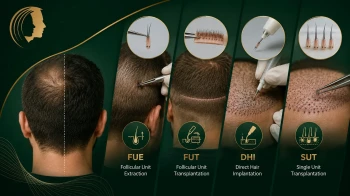
Type of hair transplantation technique: There are two main techniques for hair transplantation:
FUT (Follicular Unit Transplantation): In this method, a strip of scalp is removed, and the hair follicles are separated from it into small units.
FUE (Follicular Unit Extraction): In this method, hair follicles are directly extracted from the scalp and transplanted to bald areas.
Each of these techniques has its own advantages and disadvantages, but generally, the FUE method is less invasive and has a shorter recovery period.
Patient's general health condition: The patient's health status and the presence of health conditions such as diabetes, heart disease, or hormonal disorders can affect the success of a hair transplant. Patients who are in better health generally achieve better hair transplant results.
Post-surgical care: Following the doctor's instructions after surgery is very important. Failure to follow care recommendations such as proper washing, avoiding touching or applying pressure to the transplanted area, and taking prescribed medications can reduce the success of the hair transplant.
Quality of hair follicles: Hair follicles extracted from the donor area should be healthy and resistant to achieve the best results. If the follicles are weak or damaged, the likelihood of hair loss after transplantation is higher.
Patient's age: Age is one of the factors that can affect hair transplant success. The best results are generally observed in individuals between 25 and 45 years of age. Older individuals or those with severe hair loss may achieve less favorable results.
Why Can Reputable Clinics Like Novin Irana Increase the Success Rate of Hair Transplantation?
Choosing a reputable and specialized clinic can have a significant impact on the success of a hair transplant. Make sure to visit clinics that have successful hair transplant cases. To view hair transplant photos performed by Novin Irana Clinic, you can visit this page. If you need any consultation regarding hair transplantation or have questions, you can contact us using the phone numbers provided on the website. Here are the reasons why choosing a reputable clinic such as Novin Irana can increase the success rate of hair transplantation:
Skilled and specialized doctors: In reputable clinics, doctors with relevant expertise and extensive experience in hair transplantation work in this field. These doctors are capable of performing various hair transplantation techniques with a high level of precision and can provide the best possible results for patients.
Advanced equipment: Reputable clinics use advanced equipment and the latest technologies to perform hair transplantation. The use of modern devices and tools can help reduce side effects and increase the success of hair transplantation.
Post-surgical care: Reputable clinics have detailed programs for post-surgical care. These include scalp washing, the use of prescribed medications, and necessary consultations to prevent side effects, which can improve results.
Awareness of the latest methods and research: Reputable clinics are always up to date with the latest methods and research in the field of hair transplantation. These clinics can select the best and most effective techniques for their patients. Quality assurance: Clinics such as Novin Irana usually provide quality assurance for their services. These guarantees may include post-operative follow-ups and, in the event of any problem, corrective procedures or additional treatments.
Final Words
Hair transplantation is an effective method for treating hair loss and, when performed correctly, can provide highly desirable results. Various factors, such as the doctor's experience, the selected technique, the patient's health condition, and post-surgical care, can affect the success of a hair transplant. Choosing a reputable clinic such as Novin Irana, with specialized doctors and advanced equipment, can increase the success rate of hair transplantation and provide a satisfactory experience for the patient.



Comments