
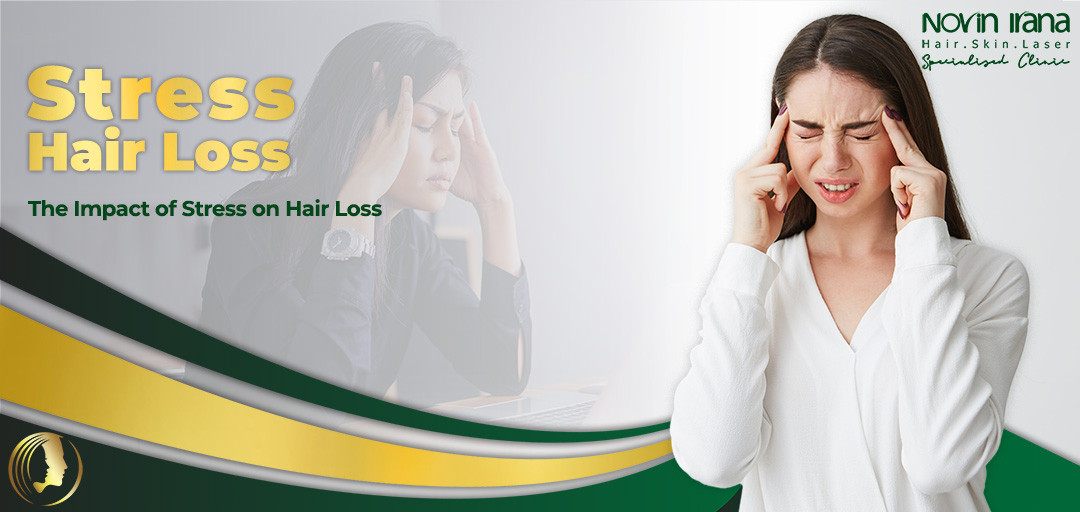

Hair loss or alopecia, is known as one of the common concerns among people. While genetics and hormonal factors play a significant role, recent research has highlighted the role of stress in exacerbating hair loss. This article explores the connection between stress and hair loss, shedding light on the physiological mechanisms and providing insights into managing stress-related hair loss.
Stress and Hair Growth Cycle
Hair follicles undergo a natural growth cycle consisting of three phases: anagen (growth), catagen (transition), and telogen (resting). Stress can disrupt this cycle by pushing a higher percentage of follicles into the telogen phase, resulting in a greater shedding of hair. This phenomenon, known as telogen effluvium, is often triggered by traumatic events, chronic stress, or emotional distress.
Hormonal Response
Stress triggers the release of hormones like cortisol and adrenaline as part of the body's fight-or-flight response. Prolonged stress can lead to an overproduction of cortisol, which, in turn, disrupts hormone balance. Elevated cortisol levels impact the production of androgens, male hormones responsible for hair loss. This disruption can lead to conditions such as androgenetic alopecia, commonly known as male or female pattern baldness.
Inflammation and Immune Response
Stress-induced inflammation can also contribute to hair loss. Chronic stress triggers an immune response that releases pro-inflammatory cytokines, affecting hair follicles' health. Inflammation can weaken hair follicles, making them more susceptible to shedding and hindering new hair growth.
Managing Stress-Related Hair Loss
Stress Management Techniques: Adopting stress-reduction strategies like mindfulness, meditation, yoga, and deep breathing exercises can help regulate cortisol levels and mitigate its impact on hair health.
Balanced Lifestyle: Adequate sleep, regular exercise, and a balanced diet rich in vitamins and minerals essential for hair health (such as biotin, zinc, and iron) can promote overall well-being and minimize stress-related hair loss.
Professional Help
Consulting a healthcare professional or dermatologist is advisable if hair loss becomes a persistent concern. They can provide tailored advice, recommend treatments, and rule out underlying medical conditions.
Topical Treatments: Some over-the-counter and prescription topical treatments, such as minoxidil, can stimulate hair growth and slow down hair loss. However, these treatments address the symptom rather than
the underlying cause (stress).
=-=-=-=-=-=-=-=
Also read: hair transplant
=-=-=-=-=-=-=-=
Conclusion
Stress and hair loss share a complex relationship, with stress acting as a trigger for various types of hair loss, including telogen effluvium and androgenetic alopecia. Understanding the physiological mechanisms behind stress-related hair loss empowers individuals to take proactive steps towards stress management and overall well-being. By adopting stress reduction techniques and leading a healthy lifestyle, individuals can potentially minimize the impact of stress on their hair health.





Comments