
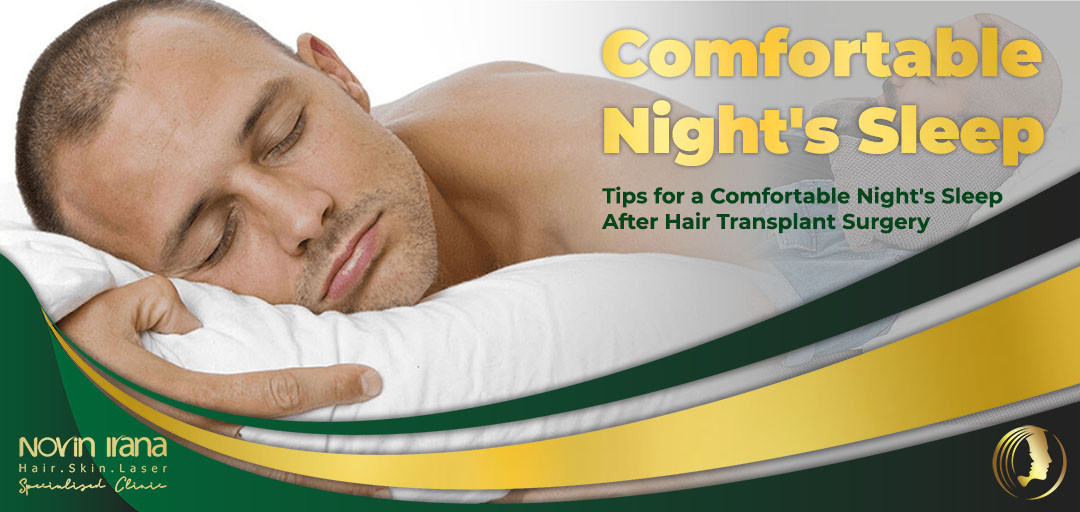

Getting a hair transplant is an exciting step toward regaining your confidence and a full head of hair. However, the recovery process requires special attention, even when it comes to something as seemingly routine as sleep. A good night's sleep is essential for your body to heal and ensure the success of your hairtransplant. Here are some tips on how to sleep comfortably after hair transplant surgery:
Tips for a Comfortable Night's Sleep After Hair Transplant Surgery
One of the first things you should do after a hair transplant is to keep your head elevated while sleeping. Use extra pillows to prop yourself up at about a 45-degree angle. This helps reduce swelling and minimizes the risk of grafts dislodging.
Some patients find it more comfortable to sleep in a recliner or a chair for the first few nights. This position further reduces swelling and provides good support for your head.
If you prefer sleeping on your back, consider using a U-shaped travel pillow to cradle your neck and prevent any accidental head movement during the night.
Avoid pressure on the donor area if your hair transplant involved donor hair extraction. You can use a soft neck pillow or a cushion to distribute the pressure more evenly.
Wear loose-fitting, button-down shirts or pajamas to avoid pulling anything over your head. This ensures you won't disturb the grafts while changing clothes.
Follow your surgeon's instructions for hair care meticulously. This often includes gentle washing and avoiding any products that may irritate the scalp. Clean hair is less likely to itch, which can disrupt your sleep.
In the days following your hair transplant, it's wise to steer clear of alcohol and caffeine, especially in the hours leading up to bedtime. These could disrupt your sleep patterns.
While avoiding caffeine is important, maintaining good hydration is equally crucial. Drinking water throughout the day can prevent any discomfort that might wake you up during the night.
The blue light emitted by screens of devices like mobile phones can interfere with your ability to fall asleep. So, avoid using these devices for at least an hour before bedtime.
Consider incorporating relaxation techniques such as deep breathing or meditation into your bedtime routine. This is suitable for reducing stress and can promote better sleep.
Follow your surgeon's prescribed pain management plan. Discomfort can make it difficult to sleep, so take your medications as directed.
Resist the urge to touch or scratch the transplanted area, even if it feels itchy. Scratching can damage grafts and compromise the results of your surgery.
Applying a cold compress to your forehead can help reduce swelling and soothe any discomfort before bedtime.
Protect your scalp from direct sunlight, especially during the early stages of recovery. Sunburn can be painful and disrupt your sleep.
Consider using a silk pillowcase. Its smooth texture can reduce friction on your transplanted hair and minimize hair loss during sleep.
If you're sensitive to light, a sleeping mask can help you stay asleep and avoid any disturbances.
Follow a balanced diet rich in nutrients that promote healing, such as vitamins A and C, protein, and iron. Your surgeon can provide dietary recommendations.
While light exercise is encouraged for better blood circulation, avoid vigorous workouts close to bedtime, as they may make it harder to fall asleep.
Be mindful of the position of your pillows to maintain head elevation throughout the night.
If your surgeon recommends sleeping aids, use them as directed. However, avoid over-the-counter sleep aids without professional guidance.
Attend all scheduled follow-up appointments with your surgeon to ensure your recovery is progressing as expected.
Manage your expectations regarding the initial appearance of your transplanted hair. It's normal for the transplanted hair to fall out initially before regrowing.
Understand that the full results of your hair transplant may take several months to become apparent. Be patient with the process.
In conclusion, getting a good night's sleep after a hair transplant is vital for your recovery. By following these tips and your surgeon's guidance, you can maximize your comfort and the success of your hair transplant. Sweet dreams and a full head of hair await you on the road to recovery!





Comments